
About
What we do
We engage in high-quality research, teaching and advocacy on criminal justice reform and human rights in Africa. Our work supports targeted evidence-based advocacy and policy development promoting good governance and human rights in criminal justice systems. Our work is anchored in international, regional and domestic law. We promote policy, law and practice reform based on evidence. We have a particular focus on effective oversight over the criminal justice system, especially in relation to the deprivation of liberty.
Key aspects of our work include:
- Our explicit human rights focus. International and regional human rights law informs and guides all of our work and we partner with organisations with similar approaches. This distinguishes us from security-focused organisations.
- Our partnerships with local organisations. Partnerships ensure mutual learning and growth. Wherever possible we seek to support reform processes in partnership with government and civil society stakeholders across the continent, to ensure local ownership of reform processes and the transfer of skills.
- Our expertise in both social science research and legal research. We carry out empirical social science research to inform policy and processes, in addition to legal analysis and research.
- Our ability to engage in multiple languages. We have researchers fluent in English, French, Portuguese and Afrikaans, ensuring that we are able to engage with most countries in Africa.
- Our ability to translate law and research into plain language and multi-media. Where appropriate, our work is transformed for particular audiences.
- Our academic rigour. We are based at the Dullah Omar Institute which is in turn part of the University of the Western Cape. We regularly publish in academic journals.
Our People
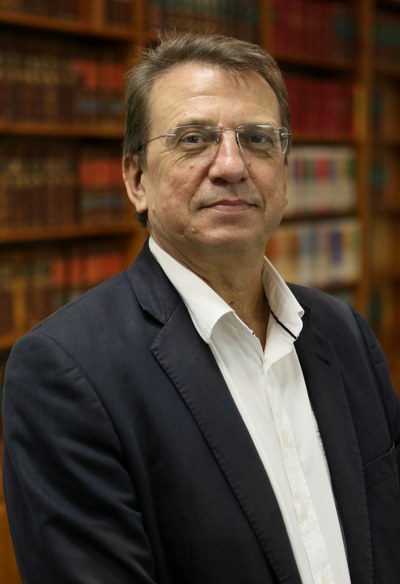
Prof Lukas Muntingh
Project Head
Dr Jean Redpath
Senior Researcher

Janelle Mangwanda
Researcher

Tina Lorizzo
Associate Professor
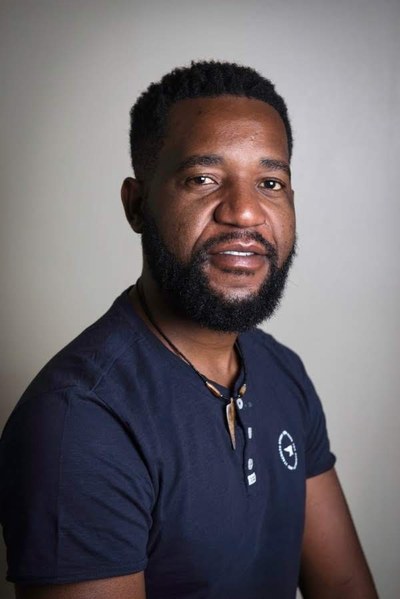
Dr Gerald J.T Mandisodza
Postdoctoral Researcher
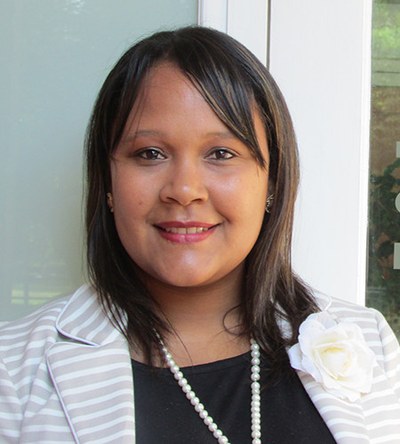
Crystal Nitsckie
Project Administrator
Donors and Partners
We rely on funding from a range of donors to carry out our work. We work in partnership with a number of organisations with regional and international focus. We have many in-country partners with whom we have worked closely, in 13 countries on the African continent.
We wish to acknowledge and thank our donors, without whom our work would not be possible. Since establishment in 2003 as CSPRI, supporters of ACJR have included the following (in alphabetical order):
- European Commission – European Instrument for Democracy and Human Rights (EIDHR)
- Ford Foundation
- Foundation for Human Rights
- Magna Carta Fund for Human Rights and Democracy
- Open Society Foundations
- Rockefeller Brothers Foundation
- Sigrid Rausing Trust
Our partner organisations or networks with regional and international focus include:
- African Policing Civilian Oversight Forum (APCOF)
- Association for the Prevention of Torture (APT)
- International Commission of Jurists (ICJ - Kenya)
- Pan-Africa Lawyers Union (PALU)
- Pan-African Reparations Initiative (PARI)
- REDRESS
- Southern Africa Litigation Centre (SALC)
- University of Bristol, Human Rights Implementation Centre (HRIC)
- University of Cape Town, Gender, Health and Justice Research Unit (GHJRU)
Governance and History
The Dullah Omar Institute, then known as the Community Law Centre, began operating in 1990. The Community Law Centre played an important role in the negotiations toward a democratic South Africa, particularly in the drafting of the South African Constitution. In 2015 the Community Law Centre became the Dullah Omar Institute, which continued to be housed within the Faculty of Law of the University of the Western Cape.
Our financial and academic administration and governance continues to be carried out in terms of the University's policies and processes.
As a programme of the Dullah Omar Institute, our work previously took place under the name of the Civil Society Prison Reform Initiative (CSPRI), which had among its sub-programmes Promoting Pre-trial Justice in Africa (PPJA) and its partnership in the Article 5 Initiative (A5i).
PPJA sought to provide information on pre-trial justice in Africa to inform decision-making and improve practice, while A5I sought to support African institutions in improvements to domestic compliance with international law obligations, norms and procedures under the United Nations Convention against Torture (UNCAT) and the African Charter on Human and People’s Rights (ACHPR).
The CSPRI became Africa Criminal Justice Reform (ACJR), which encompasses all prior sub-programmes of CSPRI, on 18 April 2017.
We are a project within the Dullah Omar Institute of the University of the Western Cape. The Dullah Omar Institute is advised by an Advisory Board and falls under the Faculty of Law of the University of the Western Cape, located in Cape Town, South Africa.